Pattern and timeline of loss
NuSelf evaluates pattern and timeline of loss in relation to your goals, history and the choices available for this pathway.

A diagnostic and nonsurgical pathway for hair thinning, scalp health and preservation.
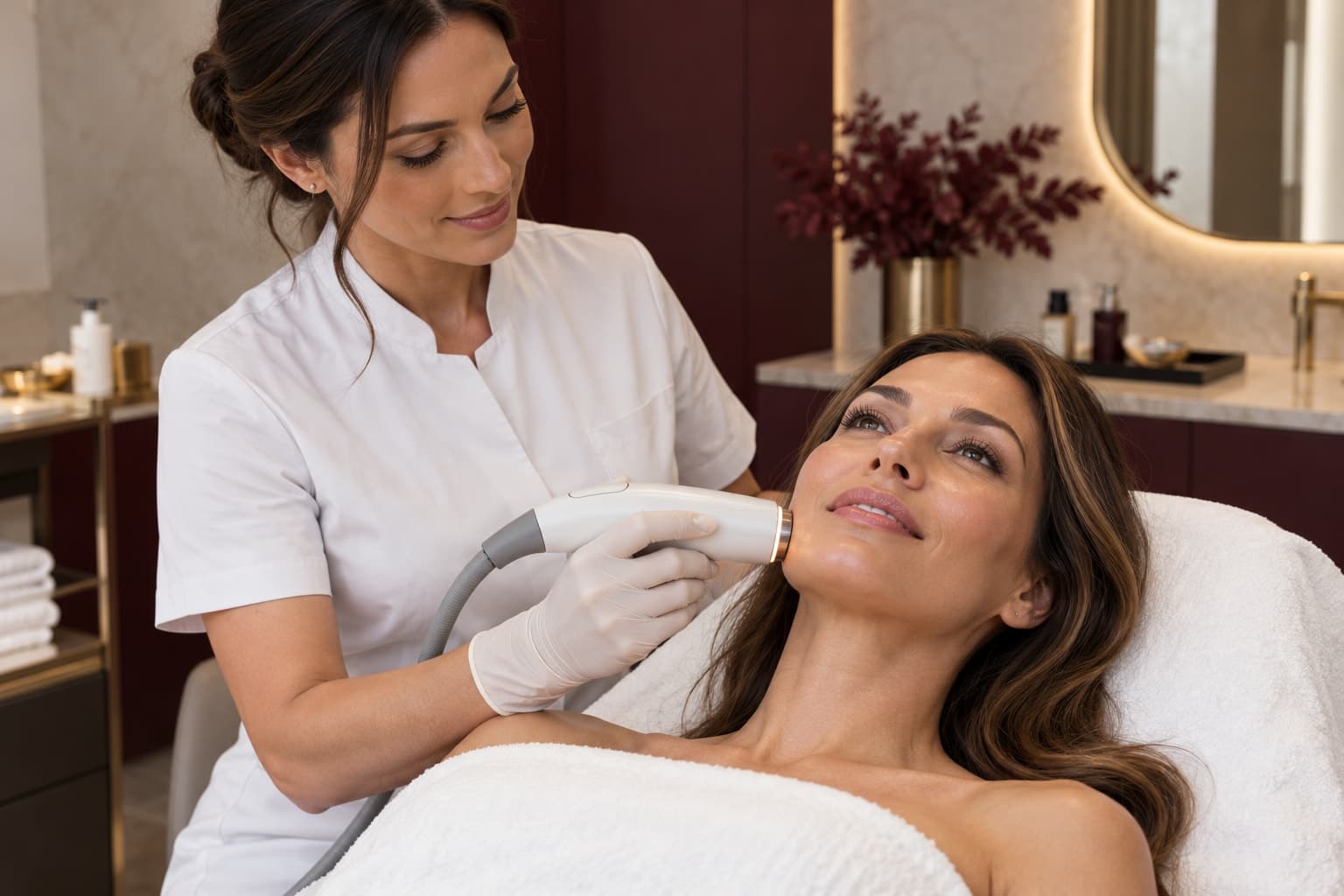
A diagnostic and nonsurgical pathway for hair thinning, scalp health and preservation.
For patients in Cedar Park, Austin and across Central Texas, NuSelf places medical hair restoration within a connected continuum of medical longevity, nonsurgical aesthetics and cosmetic surgery.
The content below is specific to medical hair restoration and is designed to help you prepare for an informed conversation—not to replace an individual evaluation.
NuSelf evaluates pattern and timeline of loss in relation to your goals, history and the choices available for this pathway.
NuSelf evaluates hormonal or nutritional contributors in relation to your goals, history and the choices available for this pathway.
NuSelf evaluates scalp and medical evaluation in relation to your goals, history and the choices available for this pathway.
NuSelf evaluates preservation and regrowth options in relation to your goals, history and the choices available for this pathway.
Medical hair restoration begins with diagnosis. Pattern hair loss, shedding, scarring conditions, medication effects, hormonal change and nutritional problems can look similar but require different decisions.
The treatment or evaluation should be matched to a specific concern. Common reasons patients explore this pathway include:
Adults with persistent thinning or shedding may benefit from an examination and focused history. Sudden loss, scalp inflammation, scarring or systemic symptoms may require dermatology or other medical evaluation.
The visit reviews the timing and pattern of change, family history, scalp findings, medications and relevant health factors. Photographs or measurements may be used for monitoring, and treatment is chosen only after likely causes are considered.
Hair growth is slow, so treatment response is judged over months. Ongoing therapy is often needed to preserve benefit, and medical care may continue before and after transplant surgery.
Choose medical restoration to diagnose loss and preserve hair. Transplant surgery redistributes suitable donor follicles; it does not stop ongoing loss in untreated native hair.
NuSelf considers the choices most relevant to medical hair restoration, including when another pathway may fit better.
Share what you hope to accomplish with medical hair restoration and what matters most to you.
Review relevant history, anatomy or clinical findings, alternatives, limits, risks and timing.
Receive a personalized next step, treatment sequence and follow-up plan when appropriate.
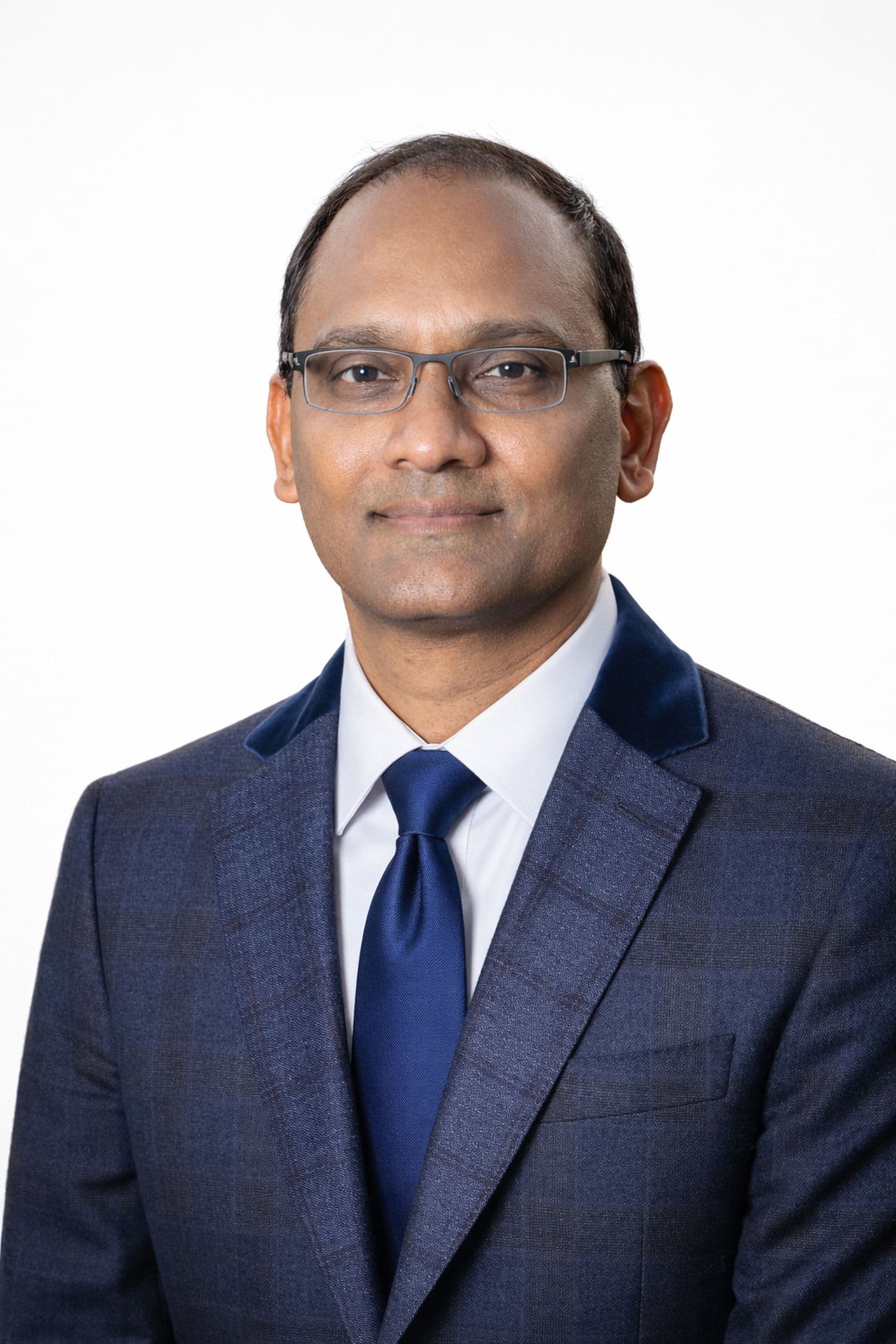
Sashidhar Ganta, MD, FACS, founded NuSelf to bring medical longevity, nonsurgical aesthetics and cosmetic surgery into one coordinated continuum. That broader view helps patients compare options, sequence care thoughtfully and avoid treating one concern in isolation.
“Dr. Ganta and his team listened, explained the options clearly and made me feel supported throughout the process.”
— Dixie B., patient review
Individual experiences and results vary. Review content may be condensed for page layout; source review remains available on the patient reviews page.Read patient stories →
Medical hair restoration begins with diagnosis. Pattern hair loss, shedding, scarring conditions, medication effects, hormonal change and nutritional problems can look similar but require different decisions.
Adults with persistent thinning or shedding may benefit from an examination and focused history. Sudden loss, scalp inflammation, scarring or systemic symptoms may require dermatology or other medical evaluation.
The visit reviews the timing and pattern of change, family history, scalp findings, medications and relevant health factors. Photographs or measurements may be used for monitoring, and treatment is chosen only after likely causes are considered. Hair growth is slow, so treatment response is judged over months. Ongoing therapy is often needed to preserve benefit, and medical care may continue before and after transplant surgery.
Choose medical restoration to diagnose loss and preserve hair. Transplant surgery redistributes suitable donor follicles; it does not stop ongoing loss in untreated native hair.
Select the starting point that matches what you know today.
For a treatment, consultation or follow-up you already know you want.
For a goal you can describe when you are not yet sure which treatment fits.
Your appointment and assessment information is handled privately through the NuSelf patient portal, where you can return to scheduling details, results and recommendations with confidence.